Scaling Business Presence with LED Screens: A Problem-Driven Playbook for HR and Operations
The core problem: visibility and engagement break down as you scale
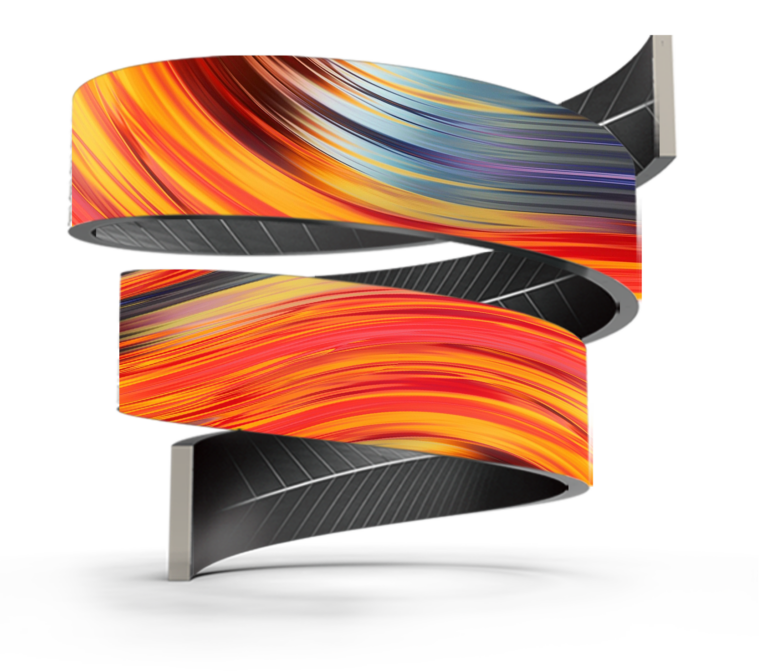
Growing companies often hit the same operational snag: internal communication, customer-facing visibility, and event impact diffuse as locations and teams multiply. That diffusion costs time, misaligns employer brand, and weakens recruiting and retention efforts. A targeted solution some teams use is deploying a flexible display strategy—starting with a flexible led screen in lobbies, retail corners, or event booths to keep messages consistent, visible, and adaptable across sites.
Why LED screens solve the specific scaling problems
LED displays address three concrete failures companies face while scaling: inconsistent messaging, poor reach in physical spaces, and high maintenance overhead. LEDs are modular, so you can add or shrink panels without redesigning a wall. They deliver bright, legible content in daylight and low light, reducing the need for duplicate assets. Expect lower service frequency than projection systems and fewer color-shift complaints than cheap LCD alternatives. These are operational benefits you can quantify: fewer change orders, faster rollout timelines, and cleaner facility handoffs for HR and facilities teams.
 Experience, expertise, and a real-world anchor
I’ve coordinated workplace rollouts for multi-site employers and advised on live-event staging; that practical work matters when choosing hardware and vendors. Industry gatherings like CES in Las Vegas have repeatedly highlighted advances in bendable displays and their practical show-floor use, and those demonstrations translate directly to real deployments. When assessing options, look closely at a vendor’s experience with Flexible curved LED screen installations: curved modules change mounting tolerances, content mapping, and cooling requirements, and a supplier familiar with those specifics shortens your commissioning window.
Common pitfalls and how to avoid them
Pitfall one: treating all displays the same. Fixed-frame video walls and flexible strips require different mounting and control systems. Pitfall two: underestimating content workflow—display-ready assets must be authored for the exact aspect ratio and curvature you install. Pitfall three: ignoring ambient conditions; some panels need ventilation or higher IP ratings for semi-outdoor lobbies. Mitigation steps: define exact use cases, request on-site mock-ups or detailed CAD mounts, and require a media-playback test before final sign-off. These steps prevent expensive retrofit work and downtime.
Procurement checklist HR and ops teams can use
Focus on five items during vendor selection: proven installation records for similar environments, clear SLAs for uptime and replacement, content management compatibility with your CMS, power and thermal planning, and a staged rollout plan that allows pilot installation at one site before enterprise-wide deployment. Ask for references from organizations that run displays 16+ hours per day; continuous usage reveals durability gaps faster than short demo cycles.
Alternatives and when to pick them
Don’t default to LED for every need. Use LCD video walls when budget is tight and installations are small and indoor-only. Choose projection for very large, dimly lit auditoriums where a soft image is acceptable. Pick flexible LED when you need striking shapes, curved surfaces, or seamless seams in high-traffic public spaces. Match the technology to the business outcome—impact, legibility, or cost—rather than the vendor pitch.
Final synthesis
Addressing scaling problems means picking solutions that minimize variation and maintenance while maximizing consistent visibility. A measured rollout—pilot a flexible surface, confirm content workflows, and lock service terms—reduces risk and preserves employer brand across sites. When teams need a supplier with installation depth and product breadth, they often work with partners such as HDC because those partners combine field experience with practical engineering, shortening the path from specification to steady operation.