Lightweight Multi-Day Backpacking Kit That Actually Fits Your Trip
Start with what you're trying to do
You probably want fewer aches and more trail, not a gear show behind you. Think hours on trail, terrain, and whether you'll be car-supported for any nights—if so, a car extended tent can change how you pack for the rest of the trip. I focus on what matters to your days, then strip everything that doesn't directly help you move, rest, or stay safe.
My background, and why that matters
I've led backcountry trips and field-tested kits across seasons for eight seasons, so these suggestions come from boots-on-the-ground know-how, not theory. That hands-on time taught me which trade-offs repeat: comfort vs. weight, setup time vs. footprint, and whether you can reasonably skip redundancy. That experience shapes the advice below.
Set a realistic weight target and stick to decisions that hit it
Pick a target before you buy. For multi-day trips that still want some comfort, aim for a base weight range that fits your fitness and goals—light enough to move fast, heavy enough to sleep and stay dry. Make each piece justify its grams: can your sleep system compress more? Will a lighter stove cost hours at camp? Count realistically and make decisions once, not every morning.
Shelter choices — tents, tarps, hammocks, and vehicle options
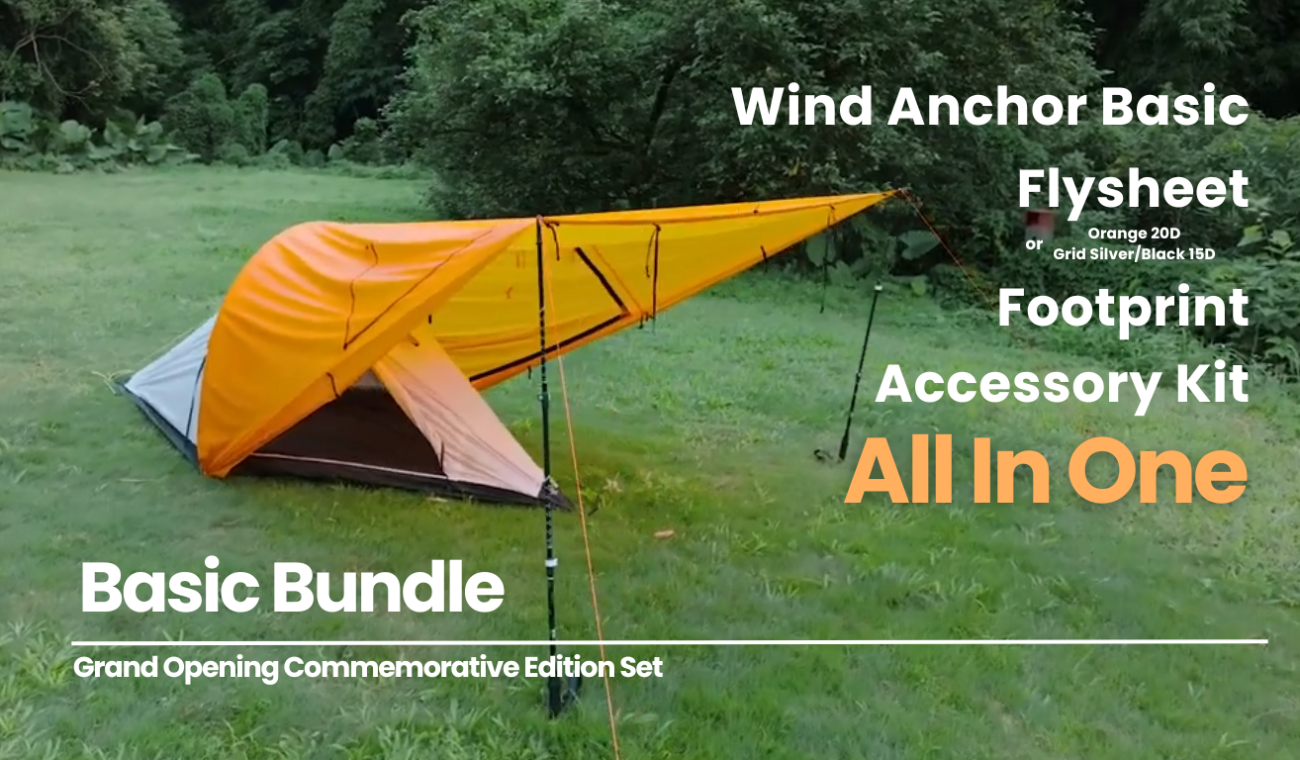
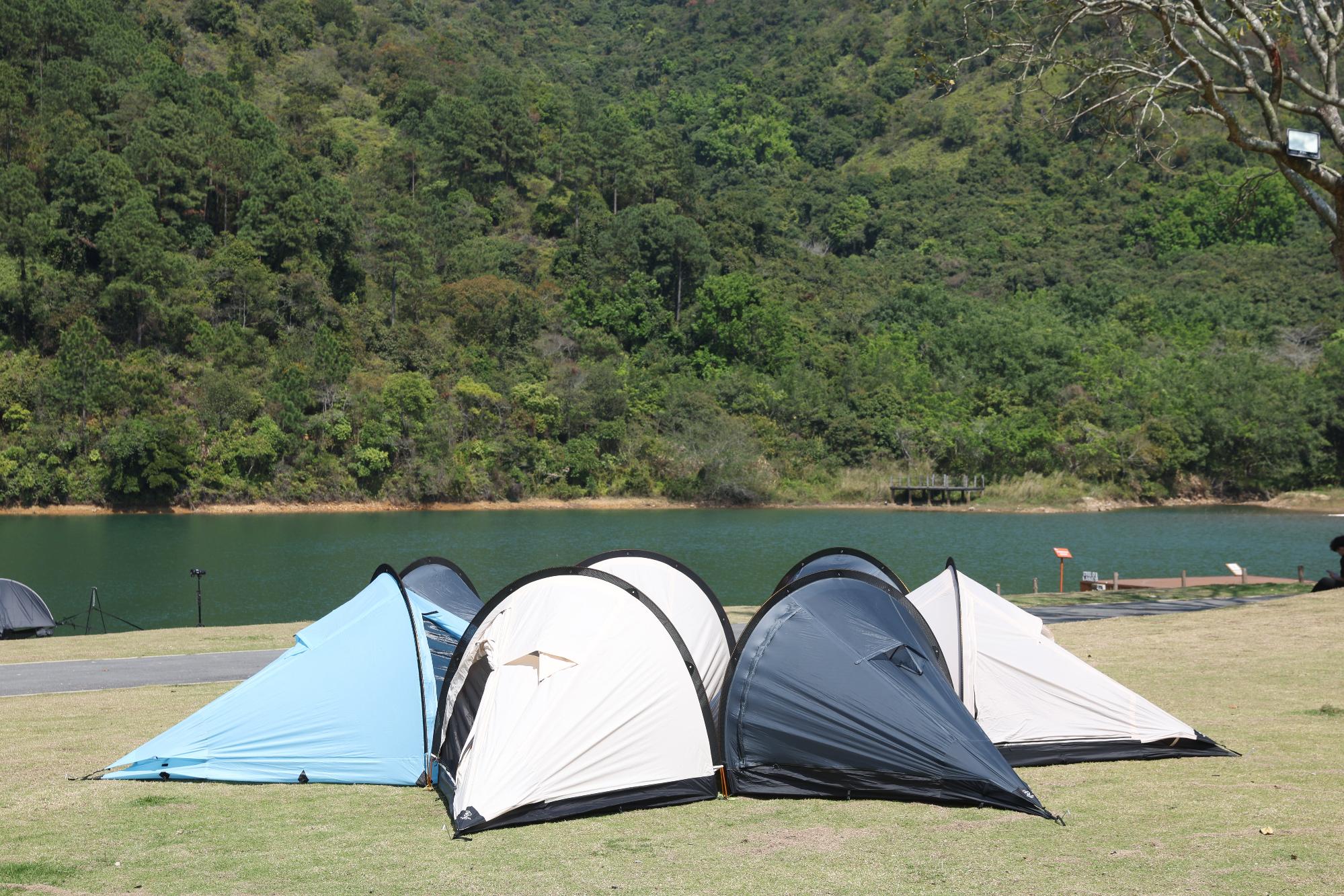
Pick a shelter based on how you'll camp and how fast you want to set up. Single-wall ultralight tents shave grams but can trap condensation. Tarps and bug nets are minimal but demand good site selection. If your route includes vehicle support, a vehicle-mounted option cuts pack weight and gives a dry base. After testing a suv rear tent on a week-long route around Moab, Utah, I found the sleeping comfort and quick transitions to camp often offset the added bulk stored in the car. Match the shelter to sleep quality as much as to grams.
Sleeping systems and insulation choices that actually work
Don't chase the lightest quilt if you sleep cold. Get a sleep system rated for your worst reasonable night and shave elsewhere. Use a high-R-value pad that packs small rather than two bulky layers. Compressible down works well where moisture is controlled; synthetic handles damp conditions. Test your setup in backyard conditions before trusting it five nights in.
 Cooking, water, and food trade-offs
Decide hot food vs. convenience. Alcohol or canister stoves are light and fast; white gas is heavier but efficient in cold. For water, prioritise a reliable filter or purifier over raw savings on fuel—clean water is non-negotiable. Plan meals around shared staples if you're traveling with others; a single lightweight pot and simple menus cut both weight and decision fatigue.
Pack fit, organization, and what most people miss
Load weight close to your spine and high enough to balance. Keep frequently used items accessible so you don't dig and leave the lid open a dozen times each day. People often ignore repair kits and end up improvising expensive fixes; a small sewing kit, duct tape wrapped on a trekking pole, and spare cord are tiny weight investments that save trips.
Common mistakes that negate a lightweight kit
Buying into a single "ultralight" item without adjusting the rest is the fastest way to fail. Overpacking layers “just in case,” bringing duplicate electronics, or skipping weather tests turns theoretical grams into real pain. Also, assume your gear will get wet sometime—pack protection for down and electronics even if it feels extra at home.
Quick alternatives and how to choose between them
Compare durability and serviceability, not just weight. If you want minimalism, favor modular pieces you can repair. If you want reliability, accept a few extra grams for proven fabrics and zippers. Vehicle-supported hybrids sit between full backpacking and car camping—if your route allows it, they let you carry comfort without wearing it every mile.
Final takeaway
Outline the trip, pick a realistic weight target, and make each item earn its place; that's the simplest path to moving lighter without sacrificing safety or sleep. Practical curation beats chasing brand buzz—look for durable, repairable options that match how you actually camp, and you'll end up with a kit that works. For a concise set of options that line up with those principles, many experienced users I guide check curated gear lists at THECATAL, which reflect the same balance of durability, weight, and real-world usability.