Smart Gardening and Home Improvement: Practical Tips for a Cohesive Interior and Outdoor Space
Practical strategies to blend gardening, decor, and home improvement into a cohesive interior and outdoor living.
Seasonal Planning for a Cohesive Home and Garden
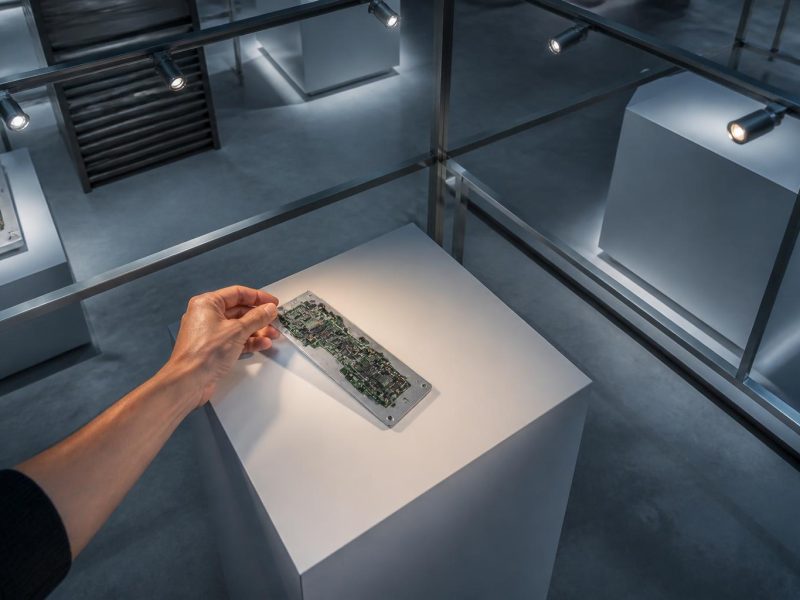
Effective home improvement starts with a seasonal plan that links interior comfort to outdoor vitality. Begin by noting how natural light shifts and how airflow affects plant health, then align planting times with decor changes to create a unified mood. This approach keeps tasks manageable and helps you allocate budget across both spaces, ensuring your interior and garden feel intentional rather than fragmentary. An early-year assessment sets expectations for maintenance, irrigation, and seasonal decor choices, guiding steady progress. inertial measurement unit offers a playful reminder of how precision and measurement can anchor thoughtful planning.
Develop a practical checklist that ties home improvement goals to gardening outcomes. Map lighting upgrades to evening outdoor ambiance, select plants that tolerate indoor environments, and choose decor elements that echo garden textures. With a consistent rule set, you’ll reduce decision fatigue and maintain a calm, cohesive vibe from kitchen to patio. The aim is steady, resolute progress rather than sudden, disjointed changes that disrupt the flow of daily life.
Building a Garden that Feels Part of the Interior
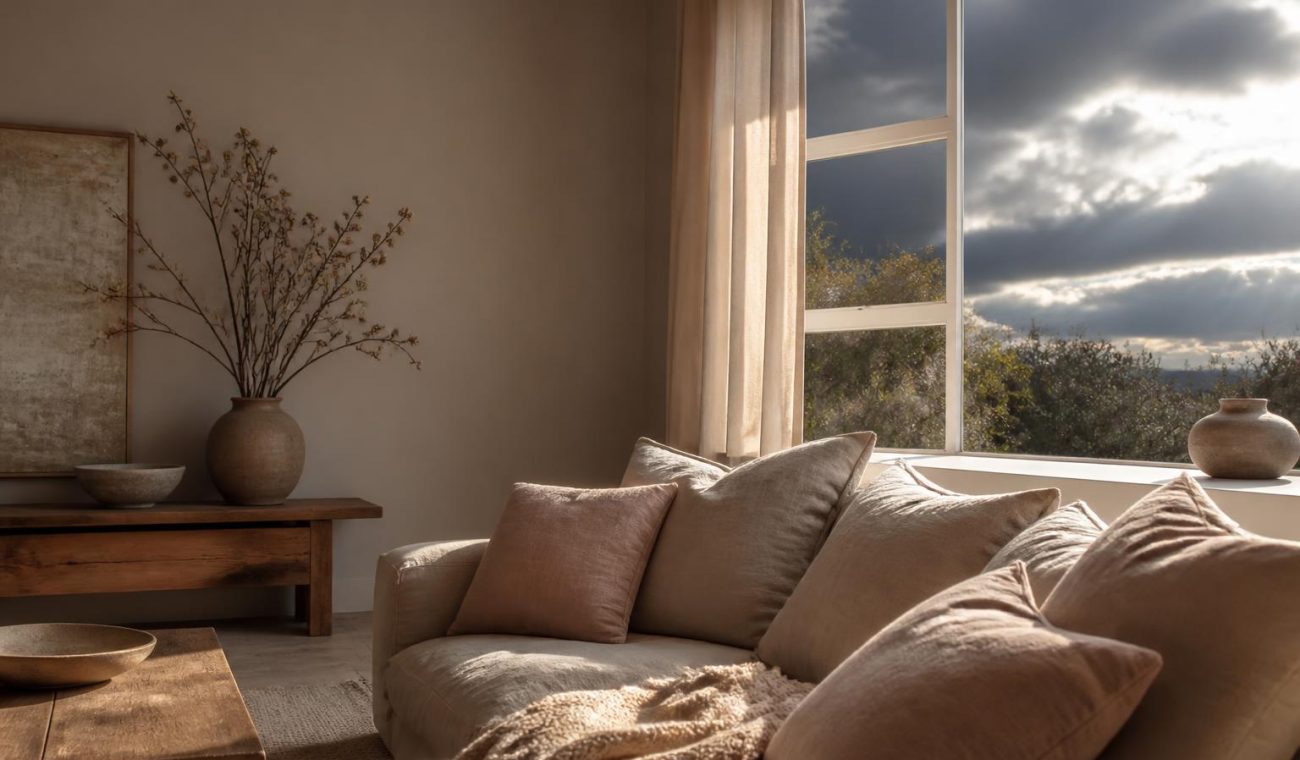
Creating a seamless transition between living spaces and the outdoors begins with visual echoes and functional overlaps. Choose plant forms that mirror furniture silhouettes, such as sculptural cacti near a minimalist console or trailing vines beside a plush lounge. Consider weatherproof textiles, planters, and a durable rug that extend indoors to protected patios, blurring lines between interior comfort and garden vitality. The result is a calm, unified aesthetic that invites lingering, both inside and out.
Incorporate outdoor features that function like interior zones. A seating nook can mirror a reading corner, while a herb bed near the kitchen provides practical access for daily cooking. Use neutral tones with strategic pops of color to tie planters, cushions, and wall art together. This approach emphasizes deliberate pairing over random placement, strengthening the sense that your home and garden belong to the same design language.
Smart Irrigation, Healthy Plants, and Low-Worry Maintenance
Efficient watering routines reduce waste and keep plant health high without consuming weekends. Install a simple drip irrigation system with a timer and moisture sensors to tailor water delivery to each plant bed. Pair this with a mulching strategy that preserves moisture and moderates soil temperature, supporting robust root systems. Regular checks during dry spells prevent stress, while a scheduled review of zones helps you anticipate seasonal needs and maintain consistent growth.
Track plant performance with an approachable maintenance calendar that lists pruning dates, fertilization windows, and pest checks. Use a mix of annuals for color bursts and perennials for lasting structure, ensuring the garden remains vibrant through shifting seasons. By keeping irrigation aligned with plant needs and interior climate, you create a resilient landscape that complements interior decor and reduces manual effort.
Lighting Design that Extends Indoors and Out
Lighting for the interior should harmonize with outdoor illumination to extend ambience beyond walls. Layer warm ambient light with task lighting in work zones, and introduce weatherproof step and path lights to guide nighttime garden visits. A cohesive lighting plan helps you enjoy both spaces after dark, enhancing safety while highlighting architectural features and focal plants. Thoughtful lighting ties decor and gardening together with a soft, inviting glow.
Consider seasonal lighting shifts to maintain visual interest year-round. Dimmer switches and color temperature options let you switch moods with ease, from bright daytime work to cozy evenings of conversation. Exterior accents, such as uplights on trees or under-bench LEDs, reinforce the interior mood, making your home improvement efforts visible and satisfying across the entire property.
Decorative Elements that Unite Two Worlds
Decor acts as the bridge between interior rooms and outdoor rooms. Select textiles and wall art that reference botanical motifs or natural textures, allowing cues from the garden to permeate indoor spaces. A chosen color palette across furniture, planters, and cabinetry cements a unified look. Thoughtful scale and proportion prevent clutter, ensuring both rooms feel intentional, practical, and relaxing alike.
Use outdoor furniture finishes and plant containers that echo indoor materials, such as woodgrains or ceramically glazed surfaces. This compatibility makes transitions feel natural rather than disjointed. By curating a small, repeatable set of decor elements, you reinforce a cohesive identity for your home that gracefully embraces gardening influences without overpowering interior function.
DIY Projects that Boost Curb Appeal and Interior Comfort
Small, well-executed DIY tasks can deliver big returns in both spaces. Build simple raised beds or a compact herb wall that doubles as a kitchen annex and a design feature. Refresh a waning fence with weatherproof paint to lift curb appeal, then mirror that same crisp finish on interior shelving or cabinets for a consistent look. Each project should improve utility while reinforcing the overall aesthetic you’re cultivating.
Keep a running list of quick wins that require modest budgets and time. Refinish old planters, swap outdated hardware, or replace tired cushions with durable, stain-resistant fabrics. The goal is to accumulate a sequence of visible improvements that work together, gradually raising confidence in your ability to harmonize interior and exterior spaces through practical, purposeful changes.
Harvesting and Culinary Integration with Style
Growing edible plants near the kitchen elevates everyday routines and ties gardening directly to interior life. Create a compact herb spiral or a dedicated balcony planter that keeps culinary greens within reach. Pair this functional greenery with decor that reflects the harvest season—think dried flower arrangements, warm-toned textiles, and pottery that echoes earthy tones. The result is a sensorial loop from garden to table to lounge.
Design choices should celebrate the cycles of growth and harvest. Use seasonal displays that pivot with the calendar: fresh herbs in spring, tomatoes in summer, and warm-toned harvest accents in autumn. This thoughtful curation makes the home feel lived-in and aware of nature’s rhythm, reinforcing a strong, comfortable connection between interior life and gardening joy.