How to Run a Cleaner Shop With a Laser Cutter Fume Extractor Without Losing Sleep Over Air Quality
Introduction — a workshop story from the glen
I was in a cold workshop once, the kind with a single lamp and a trusty laser cutter that hummed like a small engine. Folks around me were cutting wood and thin steel, and the room turned hazy by midday—so I counted, took some readings, and found particulate spikes that made my chest tight. The device at hand — laser cutter fume extractor — mattered more than anyone thought (aye, even the neighbours noticed the smell). Data shows PM2.5 and VOC spikes near cutting stations can jump quickly in small rooms. So I ask: how do we keep our air clean, our lungs untroubled, and our work steady, without overhauling the whole shop? This piece walks through that question. I share what I’ve learned, the small wins and the mistakes, and then point you to clear next steps for choosing gear that actually works — let’s move on to what goes wrong first.
Why common ventilation falls short for hobbyists and small shops
I’ll be blunt: ducting a window fan won’t cut it. Many folks install DIY vents or cheap inline fans and call it done. But when I put a true fume extractor for laser cutter next to the machine and measured, the difference was plain as day. The usual failures are simple: undersized airflow, poor capture hood placement, and filters that clog fast. Those mistakes let fumes spread. We’re talking particulate matter (PM2.5), VOCs, and metal fumes — not things you want to breathe all week.
Technically, capture efficiency depends on airflow velocity and proper hood geometry. If the hood sits too far or the fan can’t sustain the rated flow (lousy power converters or cheap motors), you lose capture. HEPA filters and activated carbon help, but they’re only as good as the system’s flow and maintenance schedule. I’ve seen shops buy a good filter and then ignore it until it chokes. Look, it’s simpler than you think: match fan capacity to cutter output, place the hood close, and change filters before performance drops.
 What should you check first?
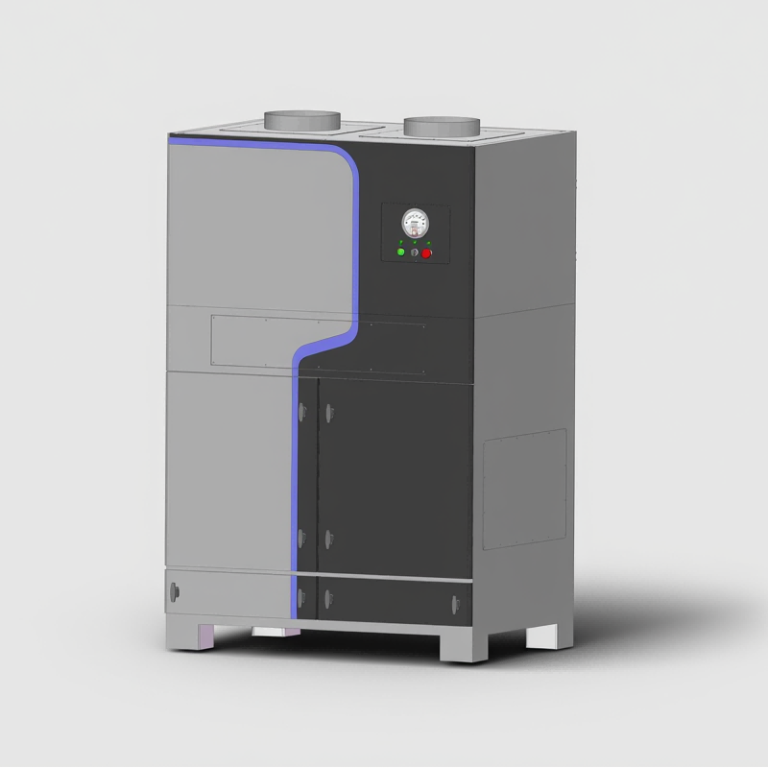
Check airflow (CFM), filter type (HEPA vs. HEPA + activated carbon), and capture hood fit. If you can, use a simple particle counter or ask for airflow metrics from the vendor. Small tweaks — a shorter hood gap, a higher-rated fan, a proper duct path — can make a big difference. We learned that the hard way, but once you see the numbers, the path forward is clear.
New principles that make modern extractors work better
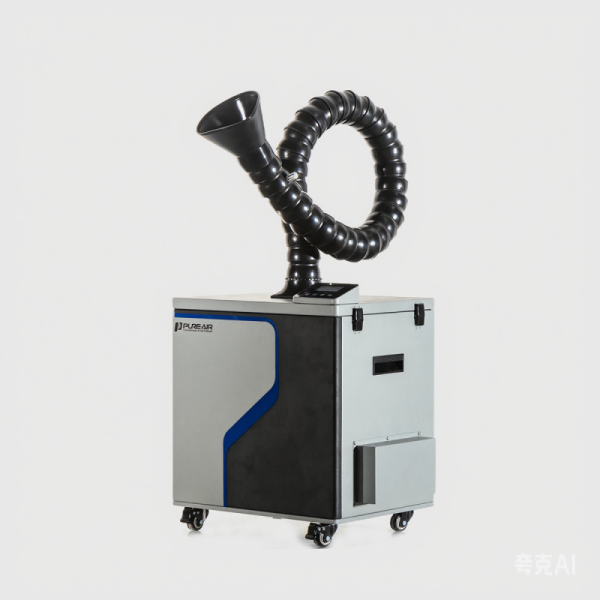
Moving forward, I look for systems that start with the physics: source capture, steady airflow, and staged filtration. Modern units use smart fan control and sometimes simple sensors to maintain suction without wasting power. When I trialed a compact fume extractor for laser cutter, the unit adjusted speed as load changed and held capture near the nozzle — that was a game-changer. We’re also seeing better filter media blends that combine HEPA for particulates and activated carbon for smells and VOCs. These are practical wins: lower noise, less filter waste, and clearer air.
There’s also room for modest electronics — basic controls, a mass flow controller, or a sensor-linked speed dial can keep things efficient without adding complexity. I’m not chasing bells and whistles; I want reliability. So when I recommend gear, I favor straightforward designs that are easy to service. Maintenance plans matter almost as much as the specs. — funny how that works, right? Simple upkeep keeps performance high and prevents costly surprises.
What’s Next — three metrics I use when I evaluate extractors
When you test options, focus on these three metrics: captured CFM at the hood (not the fan’s free-air rating), filter efficiency (true HEPA certification plus activated carbon weight), and long-term serviceability (filter cost, access, and spare parts). I’d add noise level as a tie-breaker — nobody wants a roar all day. Put these together and you’ll find systems that actually protect you and your team. I’ve seen the small wins add up: fewer headaches, cleaner cuts, and quieter nights.
In short, I’ve come to trust solutions that respect capture distance, match airflow to load, and make filters easy to change. These are not glamorous, but they keep us healthy and productive. For anyone still unsure, try measuring before and after installing a quality extractor — you’ll see the numbers, and you’ll breathe easier. For tools I’ve found dependable, check reputable suppliers and user reviews, and consider a brand with solid support. For me, that ends with a nod to the folks at PURE-AIR.