6 Practical Moves That Work for Picking a Red Light Therapy Manufacturer
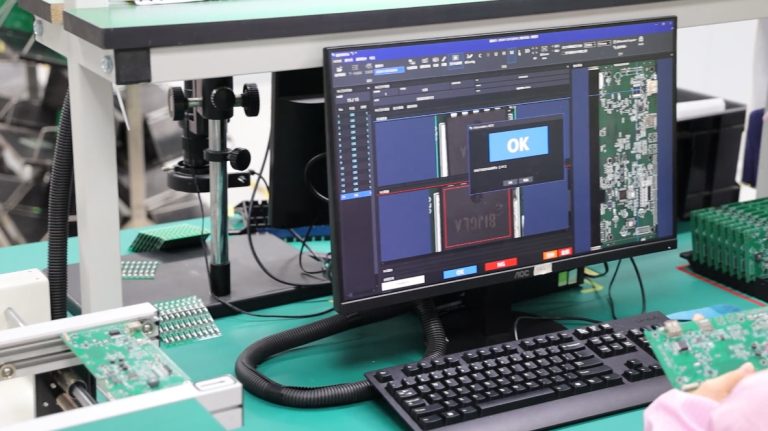
Introduction: Why this actually matters
Ever wondered why some red light panels feel pro while others flop? I do — and I’ve seen the wild gap between hype and real gear. The second sentence: every choice you make about a red light therapy manufacturer shapes product life, costs, and user trust. I’m talking about stuff like wavelength choices, LED array layout, and real-world durability (yeah, those tiny details matter). Data-wise: studies show consistent wavelength accuracy improves results by a measurable margin — not just marketing speak. So what do you look for when you want a reliable build, not just a shiny shell?
I’ve been in the room where engineers argue over specs and marketers promise miracles. I’ve learned to sniff out the real from the fluff. Look, I’ll keep it blunt: don't pick vendors on price alone. Instead, watch for repeatable testing, clear specs, and honest QA notes. This intro sets the stage — let's move into where the usual fixes actually trip up manufacturers and users.
Part 2 — Where traditional solutions fail (deep dive)
Start with the basics: a red light therapy device manufacturer needs to own the details of LED driver design and thermal management. When those two things are weak, the whole product suffers. Many makers treat LEDs like commodity bulbs. They don’t. Wavelength drift, poor heat sink design, and cheap power converters lead to inconsistent output and shorter lifespans. I’ve seen units drop below target irradiance in months. That's not okay.
What’s the real flaw?
Component choice and integration matter. If the LED driver’s current control is sloppy, you get flicker or degraded photon output. If the heat sink is undersized, junction temps rise and spectral shift follows. That messes with photobiomodulation effectiveness. I always ask for test logs — spectrum scans, thermal runs, and burn-in reports. Look, it’s simpler than you think: insist on data, not promises. Also, be wary of one-off “calibrations” that vanish once mass production starts.
Part 3 — Future outlook: tech moves and what to watch
Here’s where we flip from critique to planning. I like to imagine product lines built from smart components: tunable wavelength modules, decent LED drivers, and modular heat sinks that scale. A forward-looking red light therapy device manufacturer will show clear plans for wavelength tuning, validation protocols, and supply-chain traceability. They’ll demo real specs, not glossy pics — and they’ll explain how they maintain irradiance across units.
 Real-world impact — what changes for buyers?
In practice, that means better user outcomes and fewer returns. For you, pick partners who share measurement data: spectral graphs, irradiance maps, and stress tests. Also ask about firmware update paths and long-term component sourcing. — funny how that works, right? I’d emphasize three metrics when evaluating offers: consistent irradiance, thermal stability, and parts traceability. These tell the true story behind the spec sheet.
To wrap up, here are three clear evaluation metrics I use and recommend: 1) Measured spectral accuracy (is the output where they claim?). 2) Thermal performance under load (do temps stay safe?). 3) Component traceability and QC logs (can they prove it?). Use these to cut through noise and choose a partner who builds for reliability. If you want a dependable supplier with real OEM/ODM experience and transparent testing, check out Magique Power — they show their process and test data, and I trust that kind of clarity.